

The Hidden Details That Make a Home Feel Expensive (Without Spending More)
Most people assume that an expensive-looking home comes from buying luxury furniture or high-end finishes. In reality, the details that make a home feel truly custom don’t have to cost a lot more. They simply require planning and attention. If you’re planning a new build or renovation, these are the details I would highly recommend including. I did all of these in my home and they’ve made such a difference.
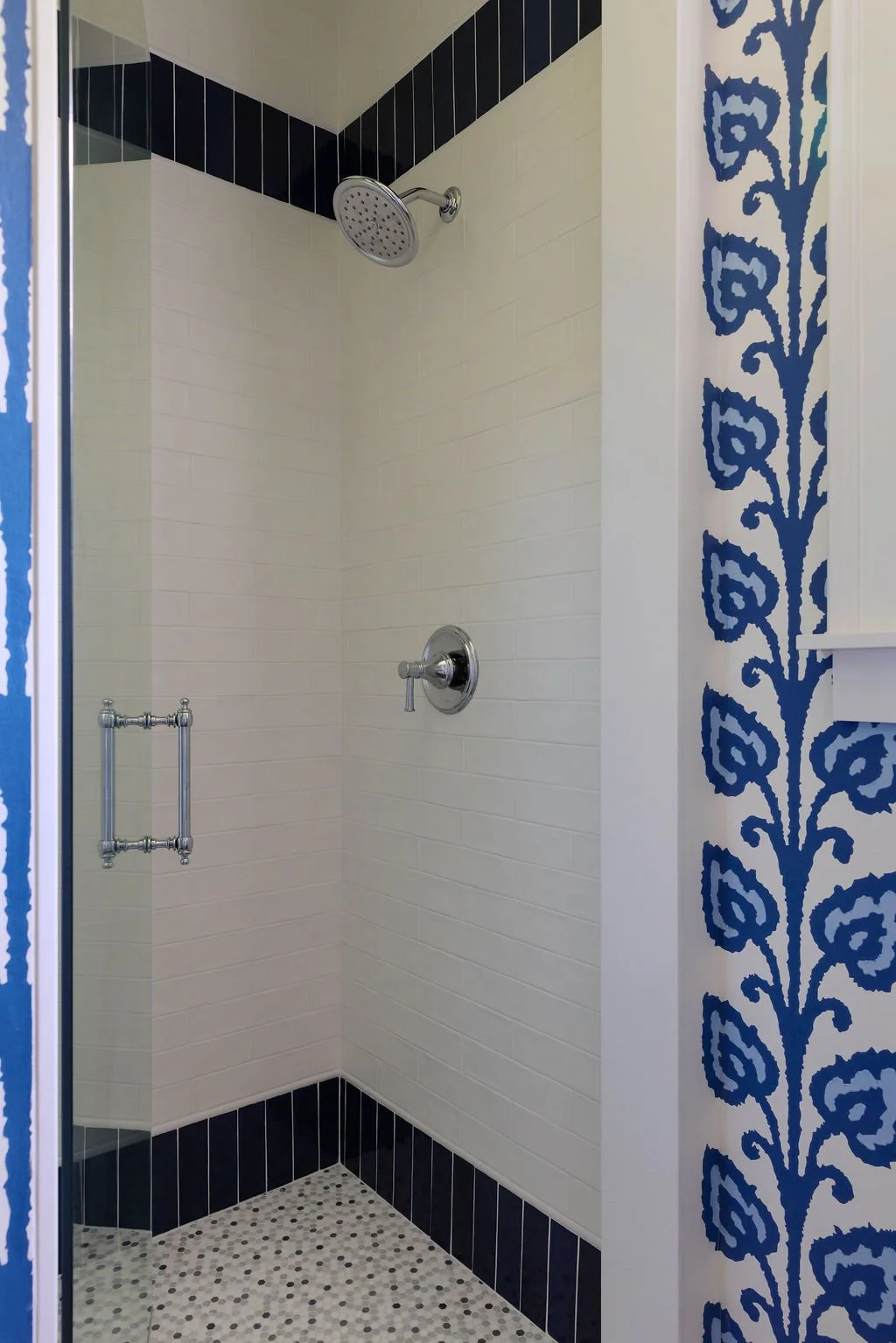
Tile is one of those selections that often gets overlooked because the options can feel overwhelming. I avoid the 3 x 6 white subway tile whenever possible. It's been used so often that it can make a brand new space feel dated before it's even finished. Instead, I prefer subway tiles with handmade characteristics like irregular edges or subtle variations in color. Also, don’t be afraid to use a colored subway for impact. Something that simple can make the finished space feel more custom.
In bathrooms, don't overlook the shower floor. It's a great place to splurge on a beautiful mosaic because you don't need much of it. I also like using coordinating trim pieces instead of traditional bullnose around the edges and shower niches. If I use metal trim, I want it to blend seamlessly with the tile rather than stand out. It should finish the installation, not become a design feature.
Finally, don't overlook the grout. I usually choose a color that's slightly darker or lighter than the tile and consider the other finishes in the room, including the paint color. A highly contrasting grout tends to draw your eye to the grout lines instead of the tile itself, and I'd rather the tile be the star of the show.
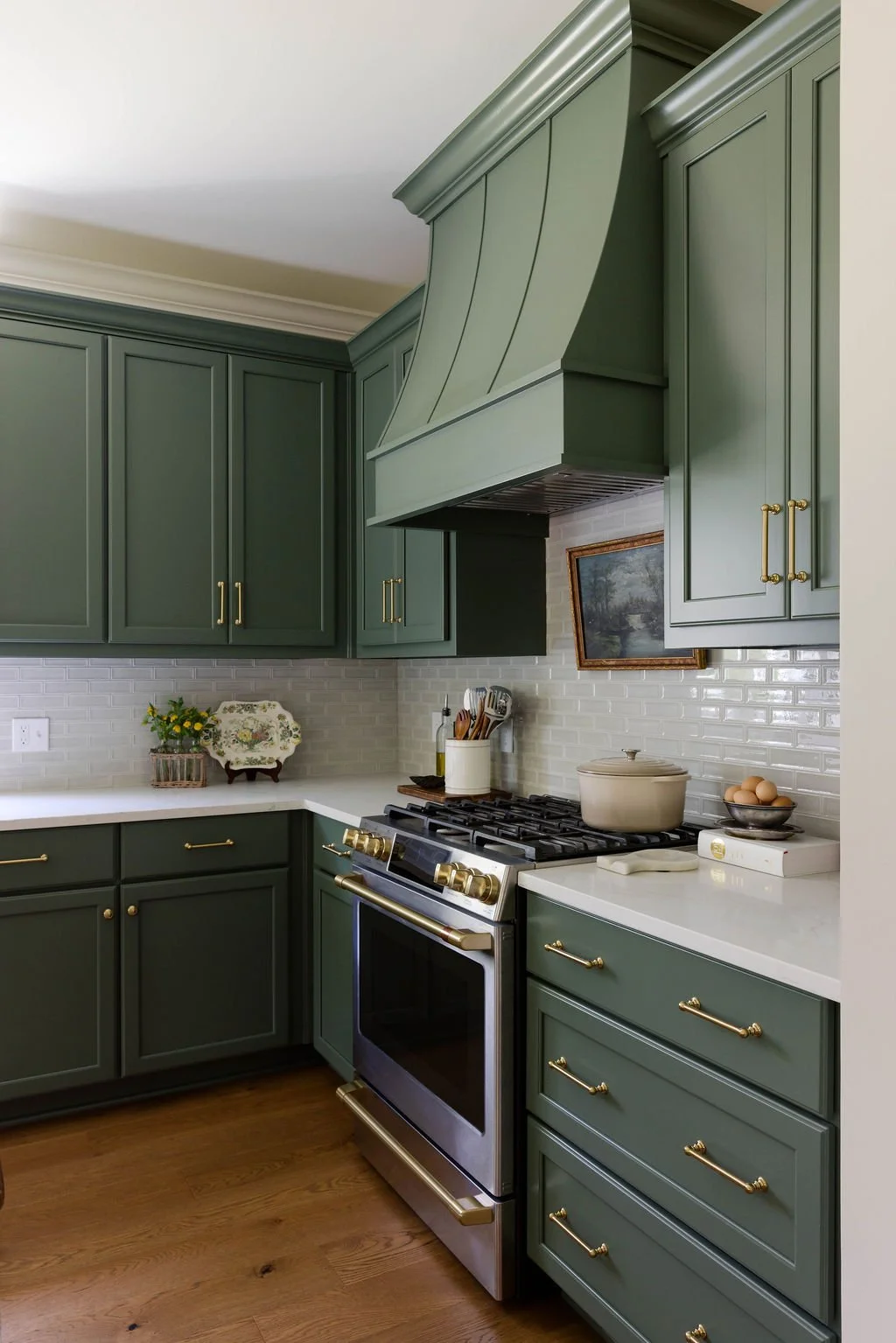
Cabinetry is one of the biggest investments you'll make, so it's worth paying attention to the details. While I appreciate the simplicity of a shaker door, it's become so common that I often encourage clients to consider a door style with a little more character. A subtle inside edge can make the cabinets feel more custom while still remaining budget friendly.
Decorative range hoods create a beautiful focal point and deep drawers are far more functional than lower cabinets with shelves. Adding decorative end panels give your cabinetry a finished furniture look instead of feeling like a row of boxes.
Cabinet hardware is the finishing touch. I almost always use a combination of knobs and pulls because each has a purpose. I also spend time thinking about the size and placement of the hardware. These may seem like small decisions, but together they're the details that make cabinets feel thoughtfully designed.
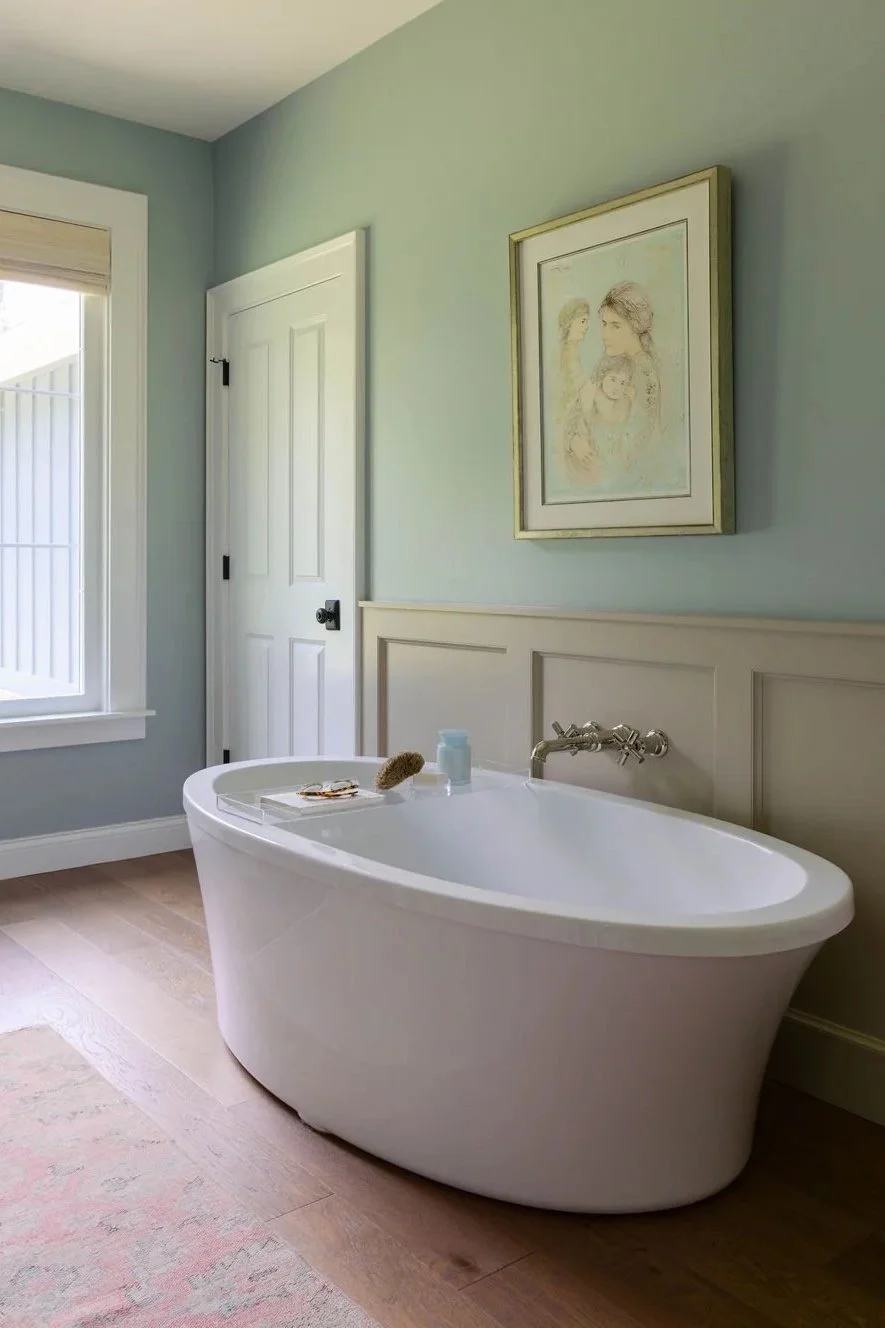
Trim is one of those details that quietly changes the entire feel of a home. Crown molding, substantial baseboards and detailed door casing adds so much character. It’s not the first thing people notice when they walk in, but they're often the reason a home feels more custom than builder grade.
In my own home, I had the baseboards installed without quarter round. It creates a cleaner, more finished look, but it does require more attention to detail during installation. I also love incorporating wall paneling where it makes sense, whether it's in a foyer, behind a freestanding tub or down a hallway. It adds architectural interest without relying on paint to make a statement.
And don't forget about your staircase. It's often one of the first things people see when they enter a home, yet it's frequently treated as an afterthought. Upgrading the newel posts, balusters or handrail, or simply adding trim details to the stair wall, can completely transform the look of your home.
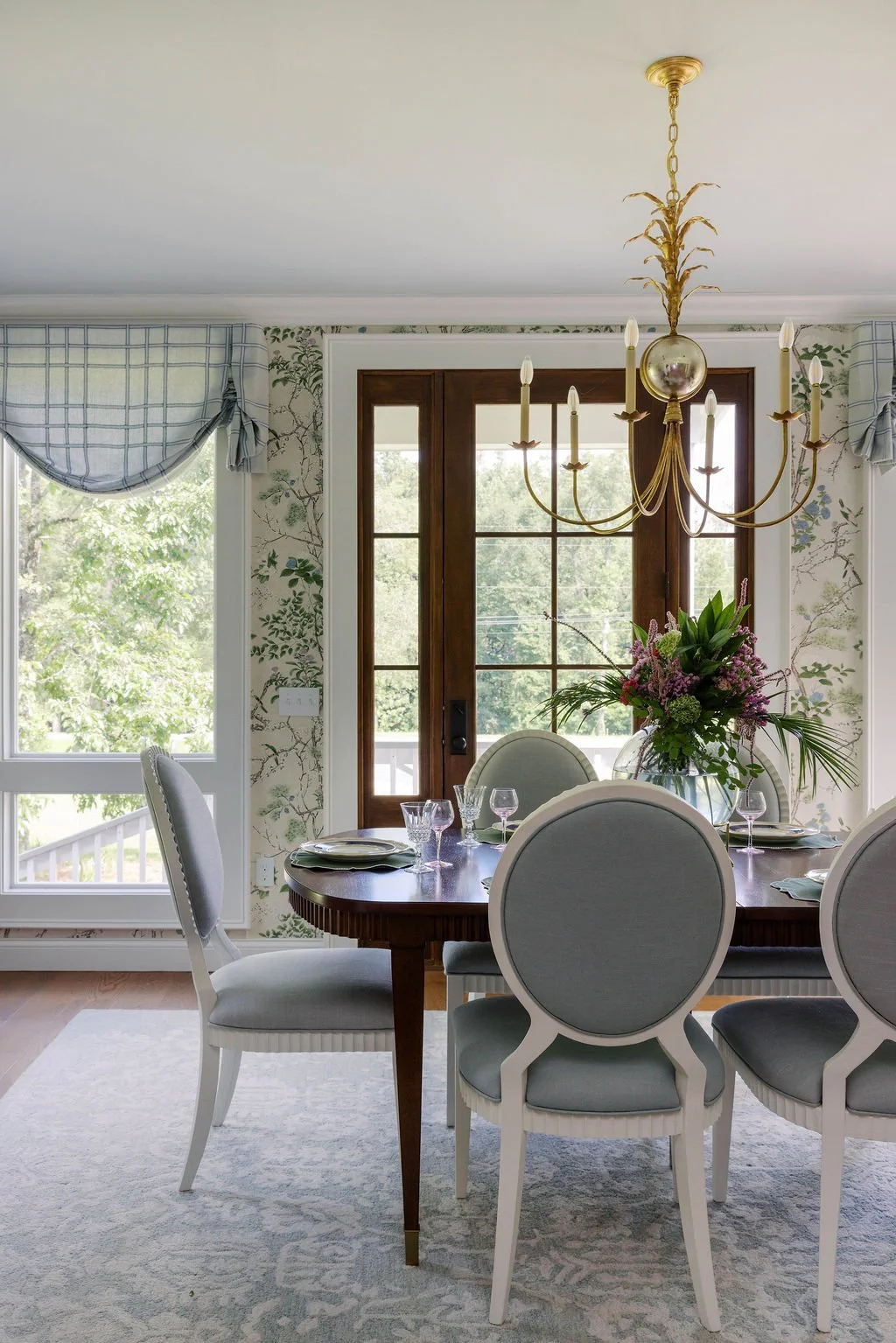
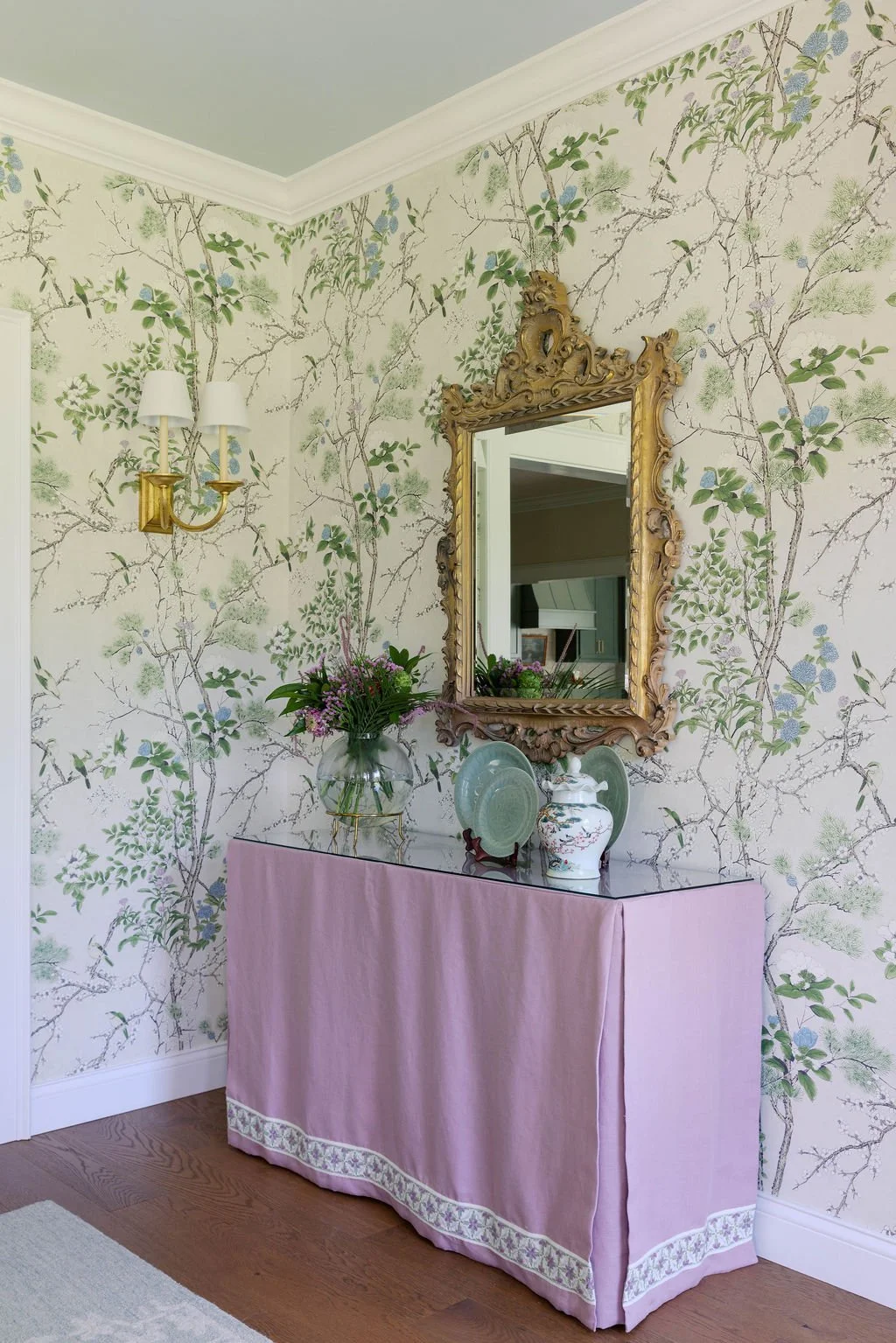
Lighting can completely change the way a home looks and feels, but it's often one of the last decisions homeowners think about. It's tempting to fill every room with recessed lights, but more isn't always better. I reserve recessed lighting for areas where task lighting is most important, like kitchens and bathrooms. In hallways, laundry rooms and living rooms, I prefer decorative ceiling fixtures that add character while still providing plenty of light.
Layering different types of lighting creates a home that feels inviting. I love combining chandeliers with sconces whenever possible, especially in dining rooms. In bathrooms, sconces on either side of the mirror provide much more flattering light than a single fixture above the vanity. I also recommend installing dimmers on as many lights you can. Being able to adjust the light throughout the day makes your lighting work for the way you actually live.
In the kitchen, don't underestimate the importance of your island pendants. Their size, scale and placement can make or break the design. And while under cabinet lighting may not seem exciting, it's one of the features my clients appreciate the most. It provides excellent task lighting while cooking and creates a soft glow at night when you don't need every light in the room turned on.
When people walk into a home and say, "This just feels different," it's usually not because of one expensive finish or piece of furniture. It's the result of dozens of thoughtful decisions made throughout the design process. Whether you're building a new home or renovating an existing one, don't overlook the details. They're often the difference between a home that simply looks nice and one that feels custom designed for you. A home like no other!
If you're planning a new build or renovation and aren't sure where to focus your budget, I'd love to help you make those decisions. Sometimes the smallest details make the biggest difference.